From Prevention to Sustainability: Kidney Health for All
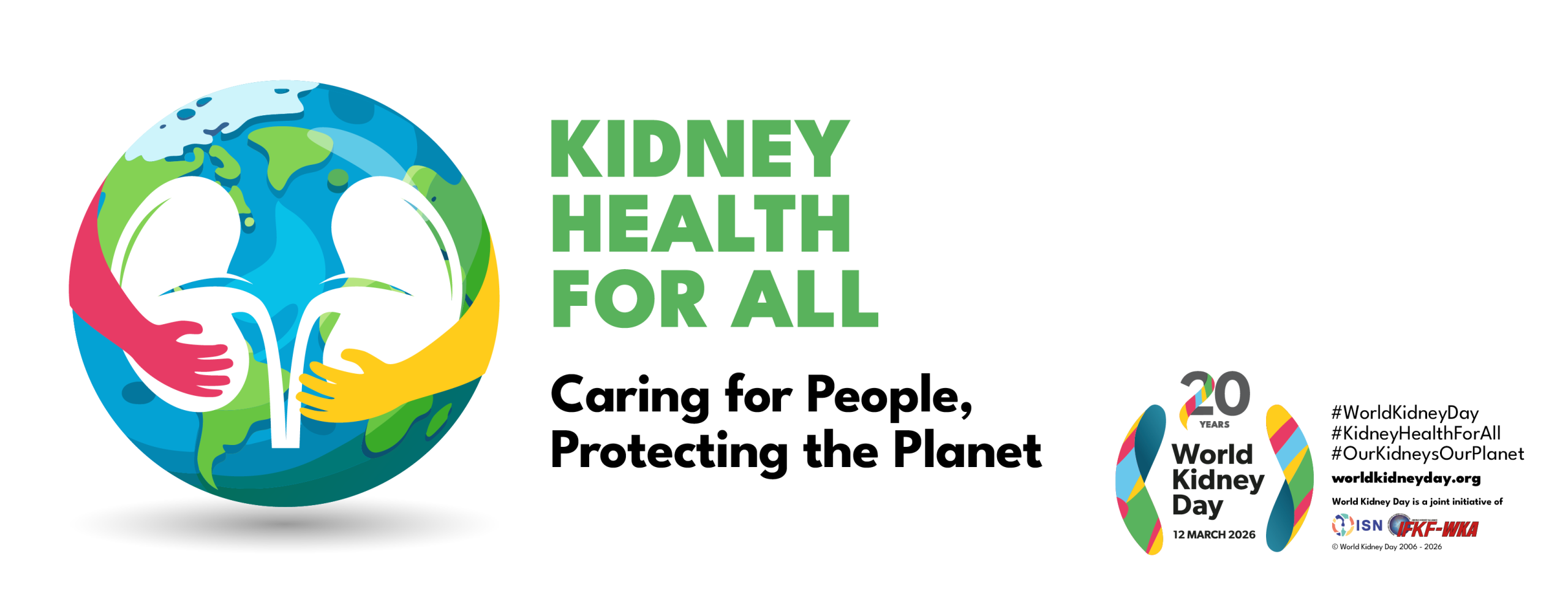
This year's World Kidney Day theme, “Kidney Health for All – Caring for People, Protecting the Planet," highlights the vital link between kidney health and planetary health. Chronic kidney disease (CKD) affects 1 in 10 people in BC and often goes unnoticed — yet, early detection can save lives. At the same time, climate change and pollution are increasing the burden of CKD by negatively impacting overall human health. Rising temperatures and extreme weather events increase risks of dehydration and heat-related kidney injury, while air, land and water pollution contribute to CKD progression. Extreme weather events like wildfires and floods also make it harder for people already living with CKD to access life-sustaining kidney replacement therapies, such as dialysis or transplantation, and other aspects of care and support.
Environmental Impacts of Kidney Care
Treatment options for end-stage kidney disease save lives, but these therapies, particularly dialysis, are also resource intensive and have a significant environmental footprint. Dialysis not only requires large volumes of water and energy, it generates substantial single-use plastic waste from tubing and packaging. There are many opportunities to reduce emissions and waste without compromising patient care. As a BC Renal patient partner shared:
“Being on both hemodialysis and peritoneal dialysis opened my eyes to the amount of waste generated. It's staggering. Reduce, reuse, recycle isn't just a slogan—it's something we need to bring into kidney care. Seeing the work we have done toward planetary health gives me hope that we can move forward at a better pace." – Qualicum First Nation Chief Michael Recalma
Prevention and Early Detection: A Win-Win
Preventing CKD and detecting it early not only improves health outcomes but also reduces the environmental impact of care. Fewer patients progressing to dialysis means less resource use and waste. Lifestyle changes and managing risk factors like diabetes and hypertension are key steps.
“Understanding kidney disease risk factors early can change everything. Not only does it help people avoid intensive treatment like dialysis, but it also leads to better health overall—benefits that extend beyond individuals to the environment as well." – Helen Chiu, BC Renal's Quality Lead, Patient-Centred Performance Improvement
How You Can Help
- Take our Kidney Health Check: Know your risk factors and see if you need further tests. Learn more and take the free self-assessment at www.kidneyhealthcheck.ca (available in English, Traditional Chinese, and Punjabi).
- Adopt healthy habits: Watch the short video, 31 Tips for Good Kidney Health (available in English, Cantonese, and Punjabi), and challenge yourself throughout Kidney Health Month (March) and beyond. These tips help prevent not only CKD, but also other chronic conditions!
This World Kidney Day, let's work together to protect the health of both people and our planet. Every action counts—because caring for people means caring for the planet too.